


Table of Contents
- Why Accessibility Matters to Everyone
- A Much-Needed Guide for Our Time
- What Sets This Book Apart
- What You’ll Find Inside
- Chapter Highlights and Personal Takeaways
- Beyond Compliance—Creating for Real People
- Who Should Read This Book?
- A Small Wish for the Future
- Final Thoughts and Recommendations
Why Accessibility Matters to Everyone
Did you know that over 1 billion people worldwide experience some form of disability? Disabilities aren’t always visible, and they can be temporary, situational, or permanent. Maybe you’ve tried to read your phone in the glare of sunlight, navigated a website with a broken mouse, or struggled with tiny text after a long day. The truth is, everyone encounters accessibility barriers at some point in their lives. That’s why inclusive design is not just a specialty—it’s a responsibility for anyone involved in building digital products.
A Much-Needed Guide for Our Time
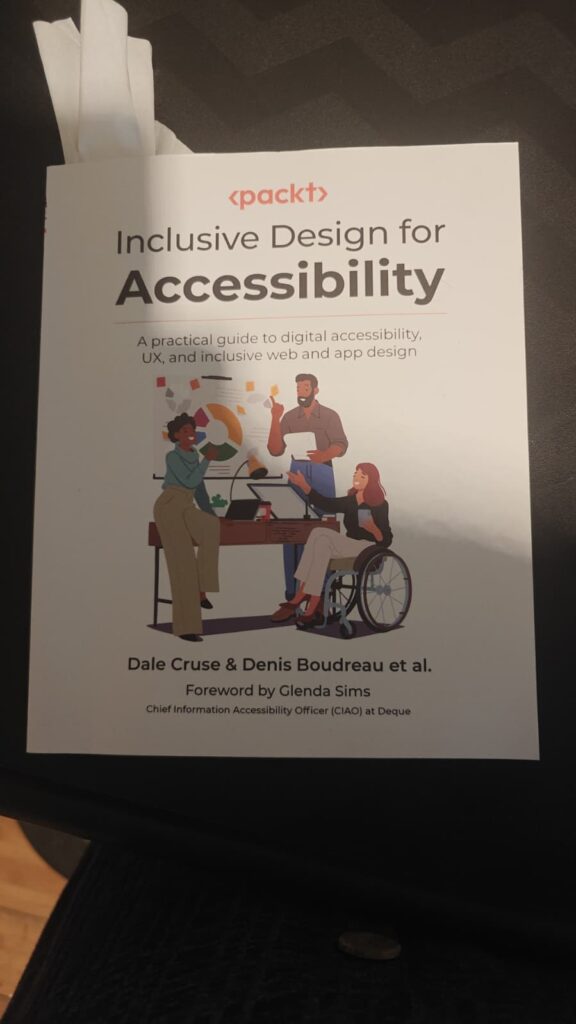
“Inclusive Design for Accessibility: A practical guide to digital accessibility, UX, and inclusive web and app design” is a must-read for today’s creators, developers, designers, and leaders. I just finished reading it, and I can confidently say it’s one of the most practical and inspiring books I’ve come across in the field.
What Sets This Book Apart
Unlike many resources that focus solely on compliance or technical standards, this book offers a holistic, multi-perspective approach. It’s written by twelve industry leaders—Dale Cruse, Denis Boudreau, Dr. Angela Young, Maya Sellon, Julianna Rowsell, Nandita Gupta, Jennifer Chadwick, Crystal Scott, Chris McMeeking, Dr. Keith Newton, Charlie Triplett, and Kai Wong—who collectively bring decades of experience in accessibility, UX, development, and inclusive leadership. Each chapter draws on their real-world expertise, making the advice both authoritative and relatable.
What You’ll Find Inside
The book is thoughtfully structured to take you from foundational principles through to advanced applications. Some of the key areas covered include:
- Defining inclusive design for today’s digital landscape
- Understanding a range of disabilities and assistive tech
- Going beyond compliance to ethical, human-centered design
- User research and real-user testing
- Actionable UI/UX strategies, content creation, and dev best practices
- Accessibility for mobile, VR, AR, and AI
- Building accessibility into your design system from the ground up
Chapter Highlights and Personal Takeaways
Several chapters left a lasting impression on me:
- Chapter 7 by Crystal Scott: This chapter is packed with practical advice on HTML, CSS, and ARIA for accessible web development. Crystal’s real-world examples illustrate how even small changes in code can significantly enhance accessibility. After reading this, I found myself re-evaluating my own projects and spotting opportunities for improvement I hadn’t noticed before.
- Chapter 11 by Kai Wong: Accessibility testing can feel overwhelming, but Kai’s chapter breaks it down into approachable steps. He offers a comprehensive overview of both automated and manual testing methods, emphasizing the importance of understanding the user impact behind each issue. Inspired by this chapter, I’ve started experimenting with accessibility testing tools like Axe and Lighthouse. Both have already helped me uncover issues I wouldn’t have spotted on my own, and I’m excited to keep exploring what they can do.
Beyond Compliance—Creating for Real People
What I loved most about this book is its focus on people, not just checklists. The authors remind us that accessibility is fundamentally about dignity, independence, and the right for everyone to participate fully in the digital world. It’s a mindset and a team commitment, not just a technical requirement. The included checklists, case studies, and practical resources make it easy to take action, no matter where you are in your accessibility journey.
Who Should Read This Book?
If you’re involved in design, development, product management, or leadership, you’ll find this book invaluable. Even if you’re just getting started with accessibility, the clear explanations and actionable strategies make it approachable. Seasoned professionals will appreciate the depth, diversity of perspectives, and advanced insights into topics like inclusive design systems and emerging tech.
A Small Wish for the Future
If I had one wish, it’d be for more on accessibility for emerging tech like AI chatbots—but maybe that’s for the sequel! The field is evolving fast, and I’m confident these authors will continue to lead the conversation.
Final Thoughts and Recommendation
“Inclusive Design for Accessibility” is highly recommended for anyone serious about inclusive digital experiences. It will not only change how you build products, but also how you think about the people who use them.
“Accessibility is not about ticking boxes; it’s about creating dignity and independence for everyone.”
#Accessibility #InclusiveDesign #UX #DigitalTransformation #BookReview
Have you read it? What did you think? I’d love to hear your thoughts and experiences in the comments below!
Have an accessibility win or challenge to share? Drop your experiences in the comments below—let’s learn from each other!
Get your own copy: https://www.amazon.com/dp/B0F6Y7M8Z4/ref=cm_sw_r_ffobk_cso_cp_mwn_dp_5C0AAXD9Q7S6281TZQY5
Want to Learn More?
Leave a Reply